Wisdom teeth often emerge in late adolescence or early adulthood, and they do not always grow in a healthy position. Many people experience discomfort, crowding, or pressure when these teeth begin to shift the alignment of nearby teeth. In many cases, early recognition of symptoms helps prevent more complicated dental issues later. When discomfort becomes persistent or the tooth does not erupt properly, it may indicate the need for professional evaluation. At this stage, Wisdom Tooth Extraction in Dubai is often considered as a reliable solution to manage pain, improve oral comfort, and protect surrounding teeth from further complications.
Understanding Wisdom Teeth and Why Issues Develop
Wisdom teeth are the last set of molars to develop, and they often lack enough space to grow properly. This can lead to partial eruption, sideways growth, or even complete impaction beneath the gum line. As a result, pressure builds in the jaw, and surrounding teeth may shift out of alignment. In some cases, food particles and bacteria can easily collect around partially erupted teeth, creating ongoing discomfort and irritation. These challenges make wisdom teeth one of the most common reasons for late-stage dental concern.
Common Warning Signs That Should Not Be Ignored
Persistent Pain in the Back of the Mouth
One of the earliest signs is continuous or recurring pain at the back of the jaw. This discomfort may worsen while chewing or when applying pressure to the area. The pain can sometimes spread to nearby teeth, making it difficult to identify the exact source.
Swelling Around the Gums
Swollen gums near the last molars are another clear indication of developing issues. The swelling may feel tender or sensitive, especially when eating or brushing. This reaction often occurs when a tooth is struggling to break through the gum line.
Jaw Stiffness and Limited Movement
Some individuals experience difficulty in fully opening their mouth or feel tightness around the jaw. This stiffness can be a response to pressure created by misaligned or impacted wisdom teeth.
Crowding of Nearby Teeth
When wisdom teeth begin to push against neighboring molars, crowding may occur. This can lead to discomfort and a noticeable shift in how the teeth align when biting or speaking.
Recurring Discomfort While Eating
Chewing food may become uncomfortable, especially on the affected side. This often happens when the tooth is partially erupted or positioned at an angle.
Two Treatment Approaches for Wisdom Tooth Removal
Simple Extraction Approach
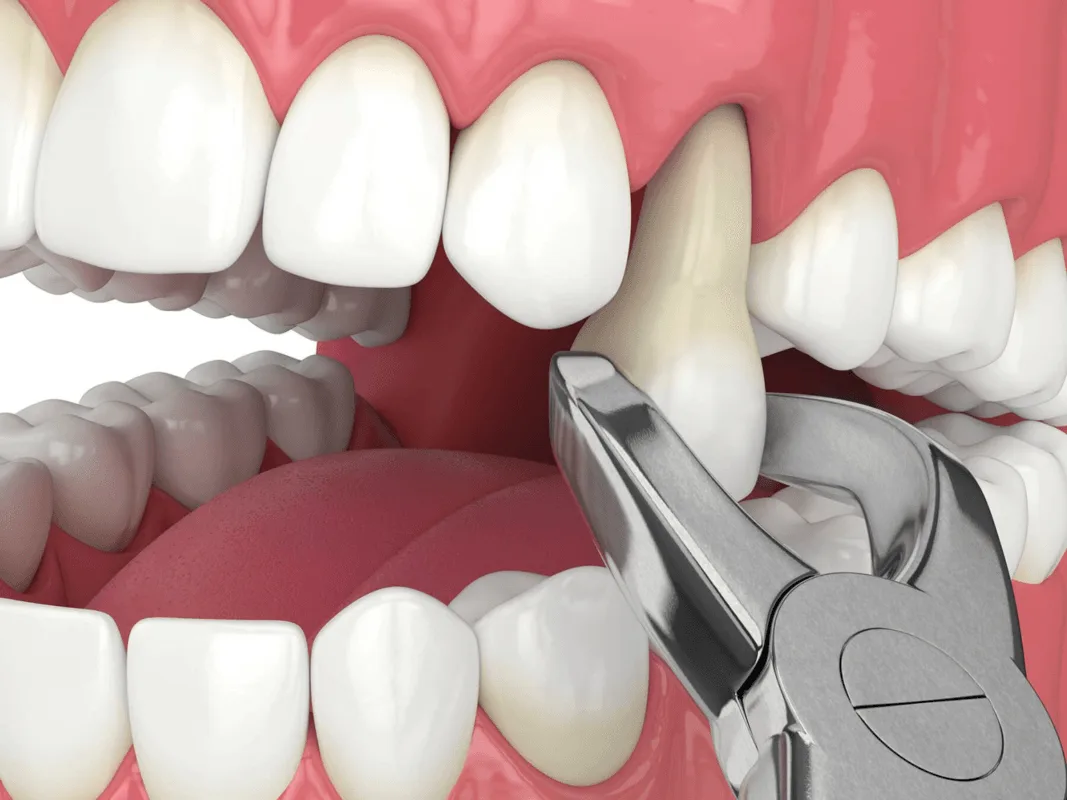
A simple extraction is typically used when the wisdom tooth has fully erupted and is easily visible in the mouth. In this approach, the tooth is gently loosened and removed without the need for surgical intervention. It is usually suitable when the tooth has a straight position and no complications are present beneath the gum line.
Surgical Extraction Approach
A surgical extraction is considered when the wisdom tooth is impacted, partially erupted, or positioned at an angle. In this case, a small incision may be made in the gum to access the tooth. Sometimes, the tooth is divided into smaller sections for easier removal. This method is often chosen when the tooth is trapped beneath the gum or jawbone.
When Removal Becomes Necessary
Wisdom teeth are not always problematic, but when warning signs become frequent or severe, removal may be recommended to prevent further discomfort. Continuous pain, repeated swelling, or pressure on neighboring teeth often indicates that the tooth is not functioning properly. In such situations, addressing the issue early can help maintain better oral alignment and overall comfort.
What Happens During the Process
The process begins with an assessment of the tooth’s position and condition. Imaging may be used to understand how the tooth is growing beneath the surface. Depending on the situation, either a simple or surgical approach is selected. The area is carefully managed to ensure comfort during the procedure. Once the tooth is removed, the focus shifts to supporting natural healing and maintaining oral hygiene practices that help the mouth recover smoothly.
Frequently Asked Questions
Why do wisdom teeth cause so many problems
Wisdom teeth often lack enough space to grow properly, which leads to pressure, misalignment, and discomfort in surrounding teeth and gums.
Can wisdom teeth remain without removal
In some cases, if wisdom teeth grow correctly and do not cause discomfort, they may not require removal. However, regular monitoring is important to ensure they remain stable.
How can someone know if extraction is needed
Signs such as ongoing pain, swelling, or difficulty in chewing may suggest that the wisdom teeth are not developing properly and should be evaluated.
Is discomfort always present before removal
Not always. Some individuals may not feel pain initially, but underlying issues can still exist beneath the gums.
Recognizing Long-Term Dental Impact
Ignoring early signs of wisdom tooth complications can sometimes lead to increased pressure in the jaw or shifting of nearby teeth. This is why early awareness plays an important role in maintaining long-term oral balance. In many situations, timely evaluation helps prevent further crowding and supports better dental alignment over time.
Wisdom Tooth Extraction is often explored when these warning signs begin to affect daily comfort, making it easier to restore proper oral function and prevent worsening dental conditions.
Conclusion: Importance of Early Awareness and Care
Understanding the warning signs associated with wisdom teeth helps individuals take timely action before discomfort becomes severe. From jaw stiffness and swelling to persistent pain and crowding, each signal plays an important role in identifying underlying concerns. Both simple and surgical approaches provide effective solutions depending on the tooth’s position and condition. With proper attention and early evaluation, individuals can maintain healthier oral balance and reduce the risk of long-term complications. Recognizing these signs early encourages better comfort, improved oral function, and overall dental well-being.


Share this page with your family and friends.