A beard has become a strong symbol of confidence, maturity, and personal style for many individuals. When facial hair does not grow evenly or appears patchy, people often look for long-lasting solutions that can restore a fuller appearance. One such advanced approach is Beard Hair Transplant in Dubai which is widely discussed for its ability to provide natural-looking facial hair improvement that can remain stable for many years when properly maintained by the body’s natural growth cycle.
This method focuses on transferring healthy hair roots from one area of the body to the facial region, where they continue to grow like normal beard hair. Many individuals are curious about how long the outcome lasts, what influences its durability, and whether it continues to look natural over time. The answer lies in understanding the growth behavior of transplanted hair, the body’s healing response, and the consistency of hair growth cycles. Once the transplanted follicles adapt to their new location, they typically behave like permanent facial hair, offering a long-term visual transformation.
Understanding Beard Hair Longevity Over Time
The durability of transplanted facial hair is one of the most appealing aspects of the procedure. Once the hair roots are successfully integrated into the facial area, they tend to continue growing throughout life. This happens because the follicles retain their original genetic characteristics even after relocation.
The permanence of results depends largely on how well the follicles establish blood supply in the new area. Once this connection is formed, the hair grows in a steady cycle similar to natural beard growth. Over time, the results become more stable and blend seamlessly with existing facial hair, creating a fuller and more defined beard appearance.
How the Hair Restoration Process Works
The process is designed to mimic natural beard growth patterns while maintaining facial harmony. Healthy hair follicles are carefully selected and moved to areas where beard density is lacking. These follicles are chosen based on their strength and ability to adapt to new growth conditions.
Two commonly known approaches are used in this field. One involves extracting individual follicular units, allowing precise placement for a natural appearance. The other involves removing a small strip of tissue from a donor area, which is then divided into smaller grafts for transplantation. Both techniques aim to ensure that the newly placed hair grows in alignment with existing beard direction and texture.
Once the follicles are placed, they begin a healing process that leads to the development of new growth within a few months. Over time, the facial hair becomes thicker, more consistent, and better defined.
Factors That Influence Long-Term Growth
The lasting outcome of transplanted facial hair depends on several natural factors related to the body and hair growth cycle. Each individual may experience slightly different results based on their biological characteristics.
Hair texture and strength play an important role in how well the follicles adapt to their new location. Stronger follicles tend to produce more consistent growth patterns. The natural healing response of the body also affects how quickly the transplanted area stabilizes.
Another important factor is the consistency of growth cycles. Since facial hair grows in phases, the transplanted follicles continue to follow this pattern even after relocation. Over time, this creates a stable and predictable beard growth appearance that blends well with existing facial hair.
Natural Hair Growth Cycle and Stability
Hair naturally grows in cycles that include growth, rest, and shedding phases. Transplanted follicles follow the same biological pattern once they become established. This means that while some shedding may occur in the early stages, it is part of the natural adjustment process.
As time progresses, the follicles enter a stable growth phase, producing continuous beard hair that maintains its presence for years. The long-term outcome is usually consistent, giving the appearance of naturally grown facial hair rather than an artificial enhancement.
Common Expectations Over Time
Individuals considering this procedure often wonder how their appearance will change over time. Initially, the newly placed hair may appear slightly different as the area heals and adjusts. However, as the months pass, the growth becomes more uniform and natural-looking.
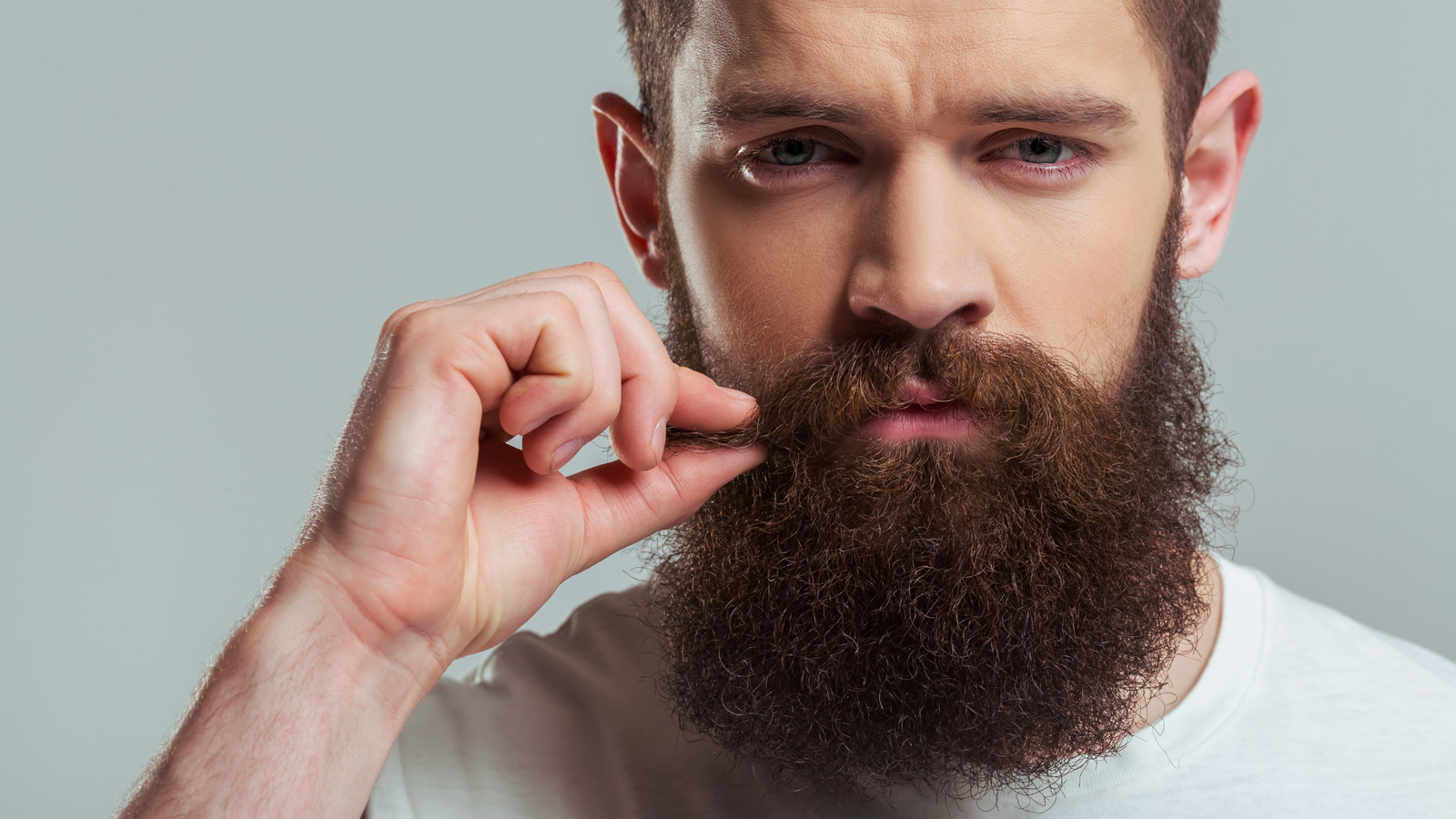
The density gradually improves, and the beard begins to take on a fuller shape. Over the long term, the results tend to remain stable as the follicles continue their natural growth cycle. Many individuals find that the final outcome blends seamlessly with their original facial hair, enhancing overall facial structure and style.
Frequently Asked Questions
How long does it take for results to fully develop
The visible transformation usually becomes more noticeable over several months as the follicles adjust and begin consistent growth. Full maturity takes time as the hair follows its natural cycle.
Will the transplanted hair continue to grow permanently
Once the follicles successfully adapt to the facial area, they generally continue to grow like normal beard hair, maintaining long-term stability.
Does the appearance change over time
The appearance becomes more refined and natural as the hair matures, blending smoothly with existing facial hair and improving density.
Is the growth pattern natural
Yes, the transplanted follicles follow the same biological growth cycle as natural beard hair, ensuring a realistic and consistent appearance.
Long-Term Confidence in Results
Many individuals exploring Beard Hair Transplant often seek reassurance about the durability of their results. In most cases, once the transplanted follicles establish themselves, they behave like permanent facial hair and continue to grow throughout life. The long-term stability depends on how well the follicles integrate with the skin and maintain their natural growth rhythm. With time, the beard becomes an integrated part of the individual’s appearance, offering lasting improvement and enhanced facial definition.
Conclusion
A beard restoration approach offers more than just a visual change; it provides a long-term transformation that aligns with natural hair behavior. The lasting nature of transplanted follicles, combined with their ability to grow continuously, makes this method a reliable option for those seeking fuller facial hair. Over time, the results become stable, natural-looking, and well integrated with existing hair patterns. With proper understanding of the growth cycle and expectations, individuals can appreciate how this solution supports lasting confidence, improved appearance, and a consistently refined beard style that remains strong and natural for years to come.


Share this page with your family and friends.