Finding a place that truly deserves your trust is not easy these days. Every business claims to be the best, the cheapest, or the most reliable. But claims are just words. Trust is something else entirely. It is built over time, through countless small interactions, through honest answers to difficult questions, and through a willingness to stand behind every product that leaves the door. When it comes to refurbished computers, trust is the most valuable thing a shop can offer. Because without trust, you are just hoping that the machine in front of you will not fail next week. A trusted PC shop does not ask you to hope. They ask you to test, to question, and to verify. Then they back their work with warranties, transparent processes, and a local reputation that would crumble if they sold junk. That is why finding the right destination matters so much. It transforms refurbished shopping from a gamble into a smart, confident decision.
The Markers of a Truly Trustworthy PC Shop
Walk into any computer shop that has been around for a while, and you will notice certain things almost immediately. The workspace is organized, not chaotic. The staff does not dodge questions or give vague answers. They can tell you exactly which parts were replaced on each refurbished machine, often from memory. The shop has a clean area where they actually do the refurbishing work, not just a back room piled with dusty towers. They offer warranties in writing without being asked. They let you test machines before you buy, sometimes even encouraging you to run your own diagnostic software. These are not accidental features. They are the visible signs of a business that takes its reputation seriously. A trusted PC shop knows that every customer who walks out happy becomes a walking advertisement. Every customer who walks out unhappy becomes a warning to everyone else. That simple truth drives everything they do, from how they test computers to how they answer the phone.
How Longstanding Reputation Translates to Better Refurbished PCs
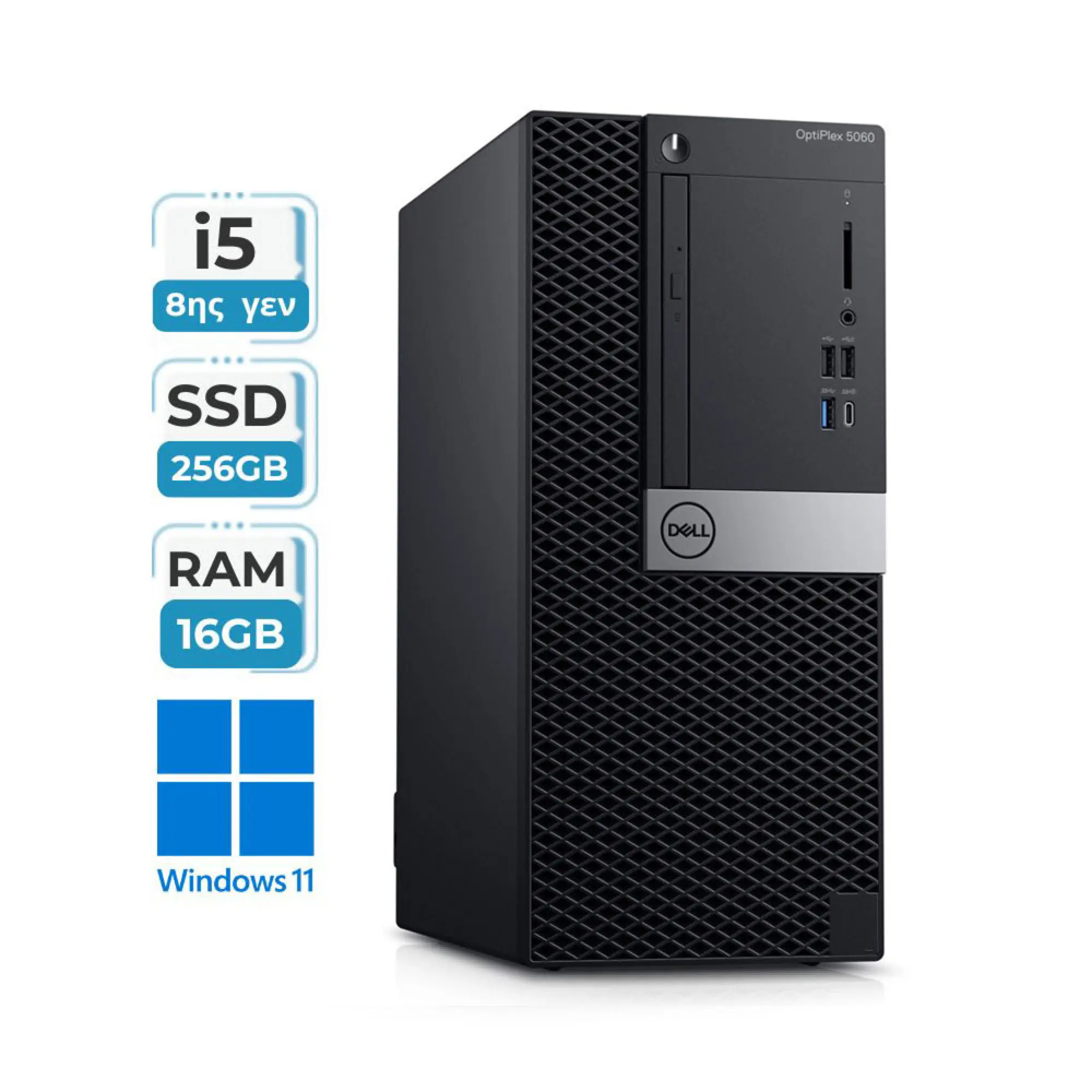
There is a direct connection between how long a PC shop has been in business and the quality of their refurbished pc inventory. It is not magic. It is economics. A shop that has served its community for five, ten, or twenty years cannot afford to sell unreliable machines. Word travels fast in a local market. One bad experience shared on social media or at the coffee shop can undo years of good work. So established shops overcompensate in the other direction. They test harder. They replace more parts than strictly necessary. They choose better quality components for their upgrades. They might even reject entire batches of used computers if the failure rate is too high. That discipline comes from experience. A newer shop without a reputation to protect might take shortcuts to keep prices low. A trusted shop knows that the long game is the only game worth playing. They would rather lose a sale than sell a machine that might come back broken.
The Importance of Transparent Refurbishing Processes
Trust is impossible without transparency. A PC shop that treats its refurbishing process like a trade secret is a shop with something to hide. A trusted shop does the opposite. They are happy to explain, step by step, what happens to a computer from the moment it arrives until the moment it goes on the sales floor. They will tell you about the diagnostic software they use, the stress tests they run, and the common failure points they always replace. Some shops even keep logs for each machine, documenting what was found and what was fixed. That level of openness serves two purposes. First, it educates customers so they can make informed decisions. Second, it holds the shop accountable. If they claim to replace thermal paste on every unit, you can ask to see the log. A transparent shop welcomes that kind of scrutiny because they have nothing to hide. A shop that gets defensive or changes the subject is telling you everything you need to know.
Building Trust Through Fair Pricing and Honest Advice
A trusted PC shop does not try to squeeze every last dollar out of every customer. That might sound strange for a business, but it is actually a smart long-term strategy. When you walk in with a very low budget, an honest shop will tell you what you can realistically expect for that amount of money. They will not sell you a machine that will disappoint you just to make a sale. If you want to spend more than you need to, they will talk you down to something more appropriate for your actual needs. That kind of honesty builds loyalty. Customers remember when a shop saved them from wasting money. They come back years later when their needs change. They recommend the shop to friends and family. Fair pricing is not just about having low numbers on the price tags. It is about matching the right machine to the right customer at a price that leaves both sides feeling good about the transaction. That is how trust turns into lasting relationships.
Warranties as the Ultimate Expression of Trust
Anyone can sell you a computer. Only someone who truly trusts their own work will offer a meaningful warranty. A trusted PC shop typically provides at least ninety days of coverage on parts and labor, with many offering a full year on more expensive units. That warranty is not a marketing gimmick. It is a financial commitment. Every warranty claim costs the shop money in parts, technician time, and administrative overhead. So offering a warranty is only rational if the shop is confident that most machines will never need it. That confidence comes from doing the work properly on the front end. When you see a generous warranty from a local shop, you are seeing evidence of a rigorous refurbishing process. You are also seeing a business that is willing to put its money where its mouth is. That is trust made tangible. That is a shop saying, without reservation, that they believe in the machines they sell.
Red Flags That Should Send You Elsewhere
Even in a world of mostly honest businesses, there are warning signs that should make you pause. A PC shop that refuses to show you a machine running before you buy is waving a giant red flag. A shop that offers no warranty at all, not even thirty days, is telling you that they do not believe in their own product. A shop that cannot or will not tell you what parts were replaced during refurbishing is hiding something. A shop with a dirty, disorganized workspace full of piled-up broken computers is unlikely to be doing careful, methodical work. A shop that pressures you to buy immediately, before you have time to think, is prioritizing their commission over your satisfaction. Trust your gut in these situations. If something feels off, it probably is. There are plenty of trustworthy PC shops out there. You do not need to give your money to one that makes you uncomfortable.
The Comfort of Knowing You Made the Right Choice
At the end of the day, the best feeling in the world is walking out of a PC shop knowing that you made a smart, informed decision. You asked the right questions. You saw the testing area. You held the warranty in your hand. You tested the machine and felt how fast it responded. You paid a fair price for solid hardware. That feeling of confidence is what a trusted destination provides. It is the opposite of the anxiety that comes with buying from anonymous online sellers or big box stores where no one knows your name. A trusted PC shop becomes a resource, not just a retailer. They are there when you have questions later. They are there when you need an upgrade or a repair. They become part of your personal technology support system. That is the value of trust. It turns a simple purchase into a lasting relationship. And that is why finding your trusted destination for refurbished PCs matters so much more than just getting a good deal.


Share this page with your family and friends.