A surprising number of people assume that designing a commercial gym and designing a home gym are basically the same skill, just at different scales. That assumption causes endless problems. The two environments serve completely different psychological needs, accommodate different user behaviors, and face totally different operational constraints. SPX Gym Design has worked extensively on both sides of this divide, and we can tell you with confidence that what works beautifully in a garage gym will fail miserably in a commercial facility, and vice versa. Understanding the differences will save you from expensive mistakes no matter which path you are on.
Durability Standards That Could Not Be More Different
The most obvious difference is also the most commonly misunderstood. A piece of home gym equipment might see three to five hours of use per week from a single person who generally treats their belongings with care. That same piece in a commercial gym might see fifty to eighty hours of weekly use from dozens of different people, some of whom actively abuse the equipment. Commercial design prioritizes commercial-grade materials, heavier gauge steel, thicker upholstery, sealed bearings, and redundant welds. Home design can prioritize comfort, aesthetics, and space savings because the durability demands are simply lower. Trying to save money by putting home-grade equipment in a commercial gym guarantees constant repairs and angry members.
Flooring Requirements Based on Completely Different Loads
The forces exerted on flooring in a commercial gym are almost unimaginable compared to a home setting. A home gym might see someone deadlifting three hundred pounds a few times per week. A commercial gym sees that same weight dropped multiple times per hour from open to close. On top of that, commercial flooring must withstand heavy equipment being dragged across it, cleaning chemicals applied daily, and thousands of dirty shoes grinding dirt into the surface. Home gym flooring needs to be comfortable and protective, but it does not face anything close to that level of abuse. Professional design accounts for these load differences by specifying much higher density rubber in commercial spaces and allowing more forgiving, comfortable options in home settings.
Space Efficiency Versus Spacious Comfort
A commercial gym is a business, and every square foot pays rent. That reality forces commercial designers to pack equipment efficiently, often with members working out in relatively close proximity. Home gyms have the opposite luxury and the opposite challenge. You are not trying to maximize membership capacity, so you can spread things out for personal comfort. But you also have less total space to work with in most cases. The design philosophy flips entirely. Commercial design asks, how many members can use this space at once? Home design asks, how can I fit everything I want without feeling cramped? One prioritizes throughput. The other prioritizes personal experience.
Acoustics and the Neighbor Problem
Home gyms face an acoustic challenge that commercial facilities rarely consider. Your neighbors. A commercial gym in a dedicated commercial space can be loud during operating hours without major complaints, assuming reasonable soundproofing to the outside. A home gym in a garage or basement might have bedrooms directly above or shared walls with neighboring houses. Dropping a deadlift at 6 AM in a home gym can start a war with your spouse or your neighbor. Commercial gym design focuses on controlling echo and managing noise within the space. Home gym design must focus on impact isolation, decoupling floors from the structure, and absorbing vibration before it travels through framing.
Ventilation and Air Exchange Realities
Commercial gyms are required by code to meet specific air exchange rates based on occupancy. A properly designed commercial facility brings in fresh outdoor air, conditions it, and circulates it constantly. Home gyms have no such requirements, and that is where many home setups fail. A garage gym in summer becomes an unbearable sweatbox. A basement gym without adequate returns feels stuffy within minutes of starting cardio. Commercial design assumes professional HVAC with engineered load calculations. Home design must get creative with portable solutions, high-volume fans, dehumidifiers, and strategic window placement. The science is the same, but the budget and installation options are worlds apart.
Aesthetic Longevity and Trend Resistance
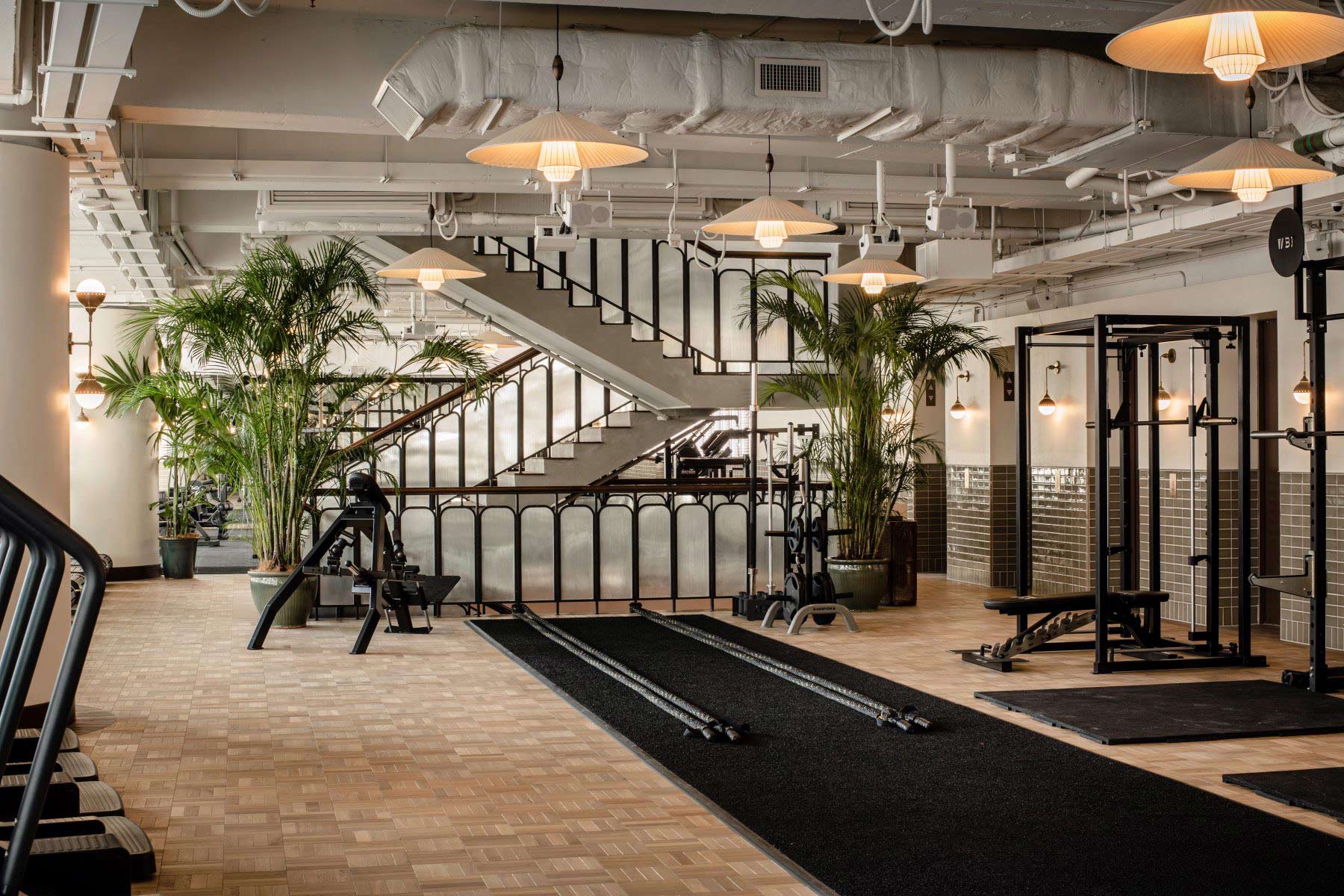
Commercial gyms need to look current for years without a full renovation. That means avoiding trendy finishes that will feel dated in eighteen months. Neutral palettes, classic material choices, and brand-focused accents that can be swapped out cheaply. Home gyms have the opposite advantage. If you love a bold color or a specific trend, go for it. The only person who needs to like it is you. Commercial design errs toward timeless because changing a commercial space is expensive and disruptive. Home design can be deeply personal and trend-forward because you are the only critic that matters. SPX Gym Design advises commercial clients to think in five-year cycles and home clients to think about what genuinely makes them happy to train in every single day.
Maintenance Access and Serviceability
Finally, consider who fixes things when they break. In a commercial gym, broken equipment means lost revenue and frustrated members, so serviceability is a primary design concern. Equipment must be accessible for technicians. Electrical panels cannot be buried behind heavy machines. Plumbing clean-outs need clear access. Home gyms rarely face these constraints. If a cable machine needs service, you move it yourself. If a bolt comes loose, you tighten it on your own schedule. Commercial design builds in service corridors, labeled circuits, and documented maintenance access. Home design can be much more creative and space-efficient because you are the only person who will ever need to reach the back of that rack.


Share this page with your family and friends.